Sitting under the Willows: Reclaiming Grief
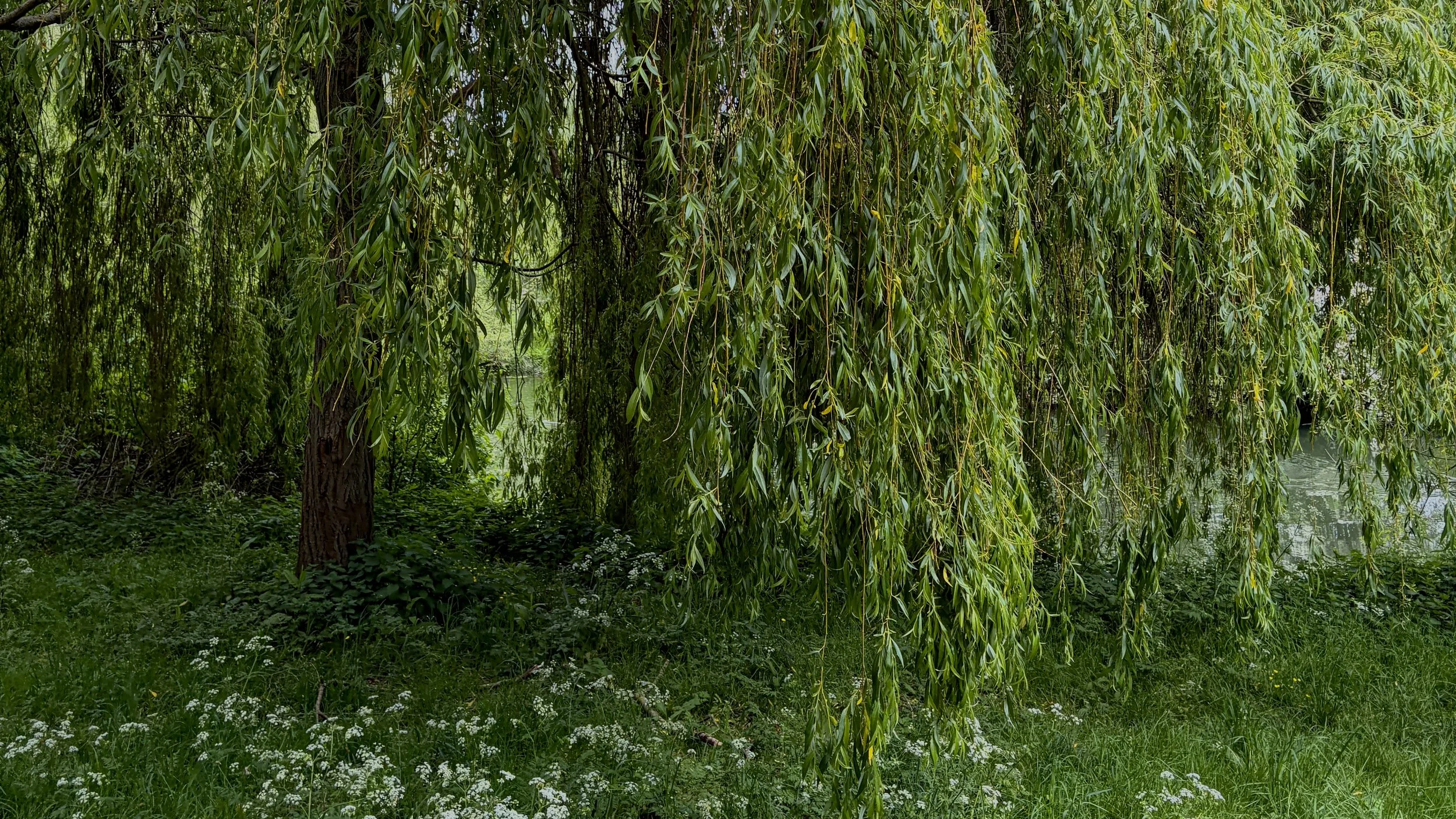
One of my favorite trees is the weeping willow. Its beautiful drooping boughs and quiet, graceful presence create natural sacred spaces that always draw me in no matter where I might find them. In cities, by riverbeds, it does not matter, they make me pause and want to sit a bit within myself, to slow down, to feel.
But of course I’m also drawn to the sadness their name and shape convey. To have a plant that so clearly holds the energy of grief, of shedding tears, is almost a blessing in its directness. Willow floral essence is used to release bitterness and sadness over life’s difficulties, and willow bark has historically been used as a homeopathic aspirin, helping to soothe and numb pain. The medicine of willow is a balm to a hurting heart, in more ways than one.
Yet I have heard that it’s bad luck to live in a house with a willow planted right beside it. One possible explanation for this folk prohibition is due to the willow’s insatiable need for water, that it will draw water towards itself, causing foundational damage or dampness and mold, either way leading to a weak structure and a sick household.
The parallels to grieving thus continue. For it’s a healing thing to revisit our grief on occasion, to sit and be within it, allowing the weeping to flow, and then returning home; but to live there all the time, keeping it too close to one’s house, will eventually lead to a sickening of the heart. Grief is a kind friend we should be willing to invite in for tea, but who would make a demanding housemate if ever we kept them behind closed doors; and so we must learn to live in right relationship to our grieving if we desire a healthy and balanced life.
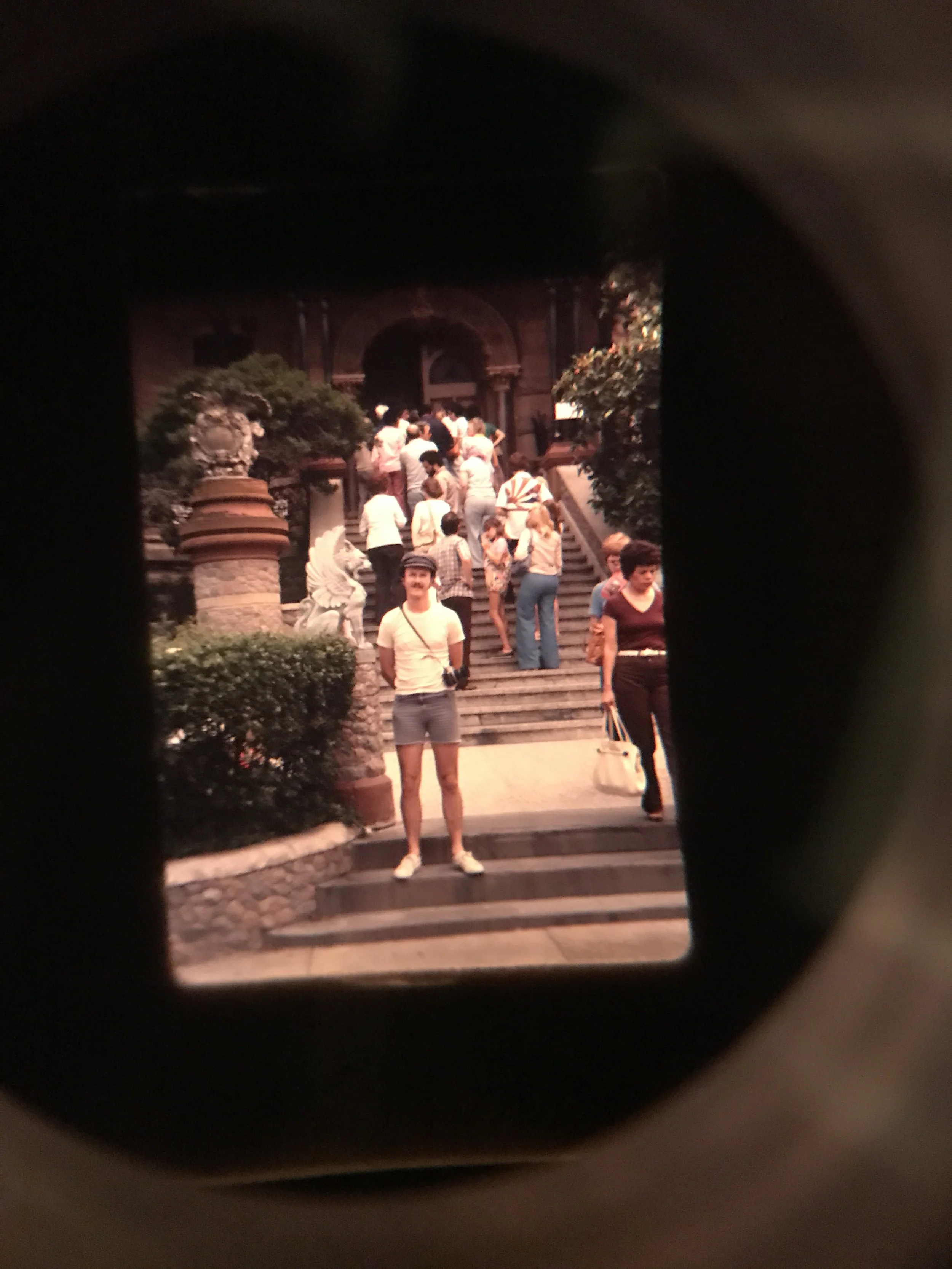
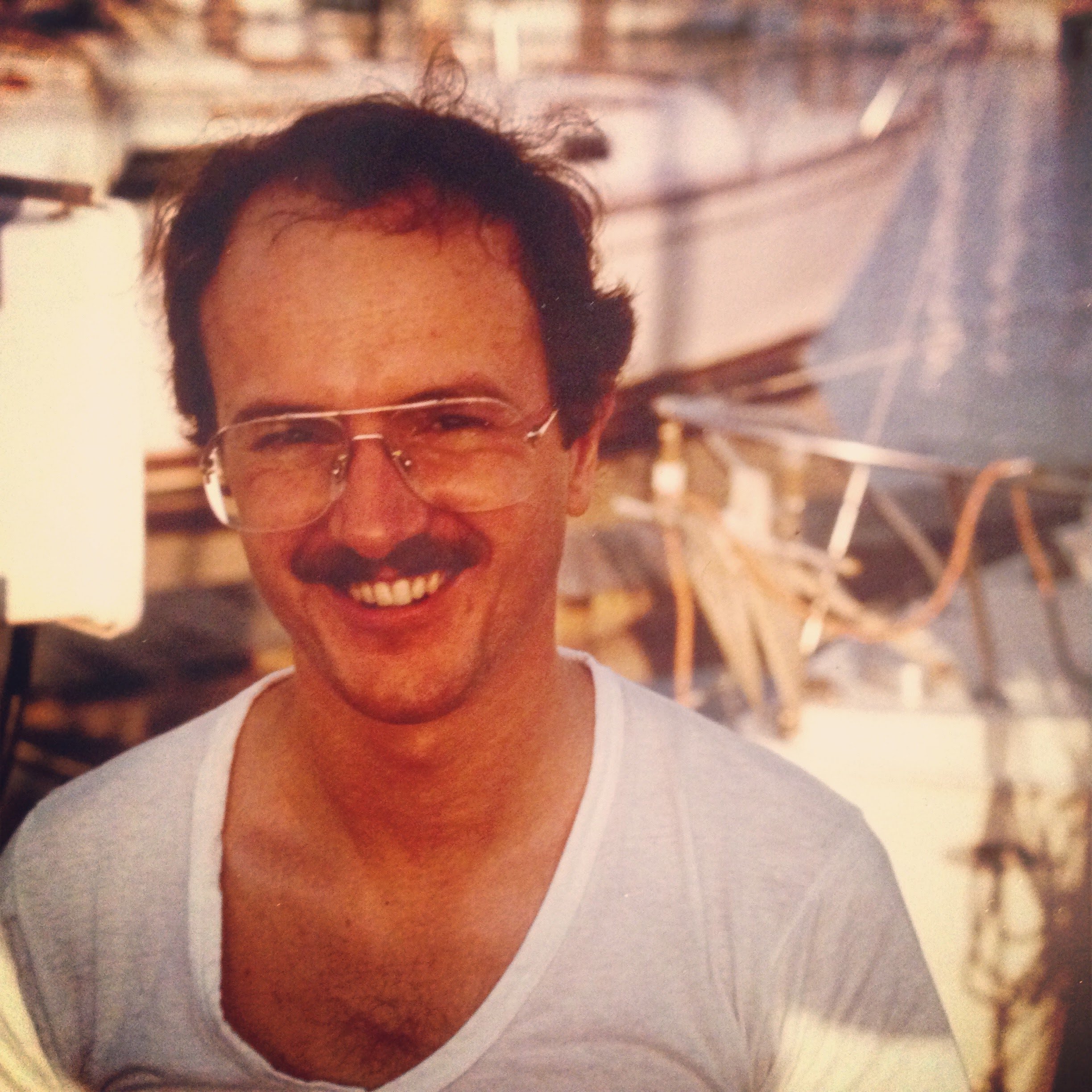
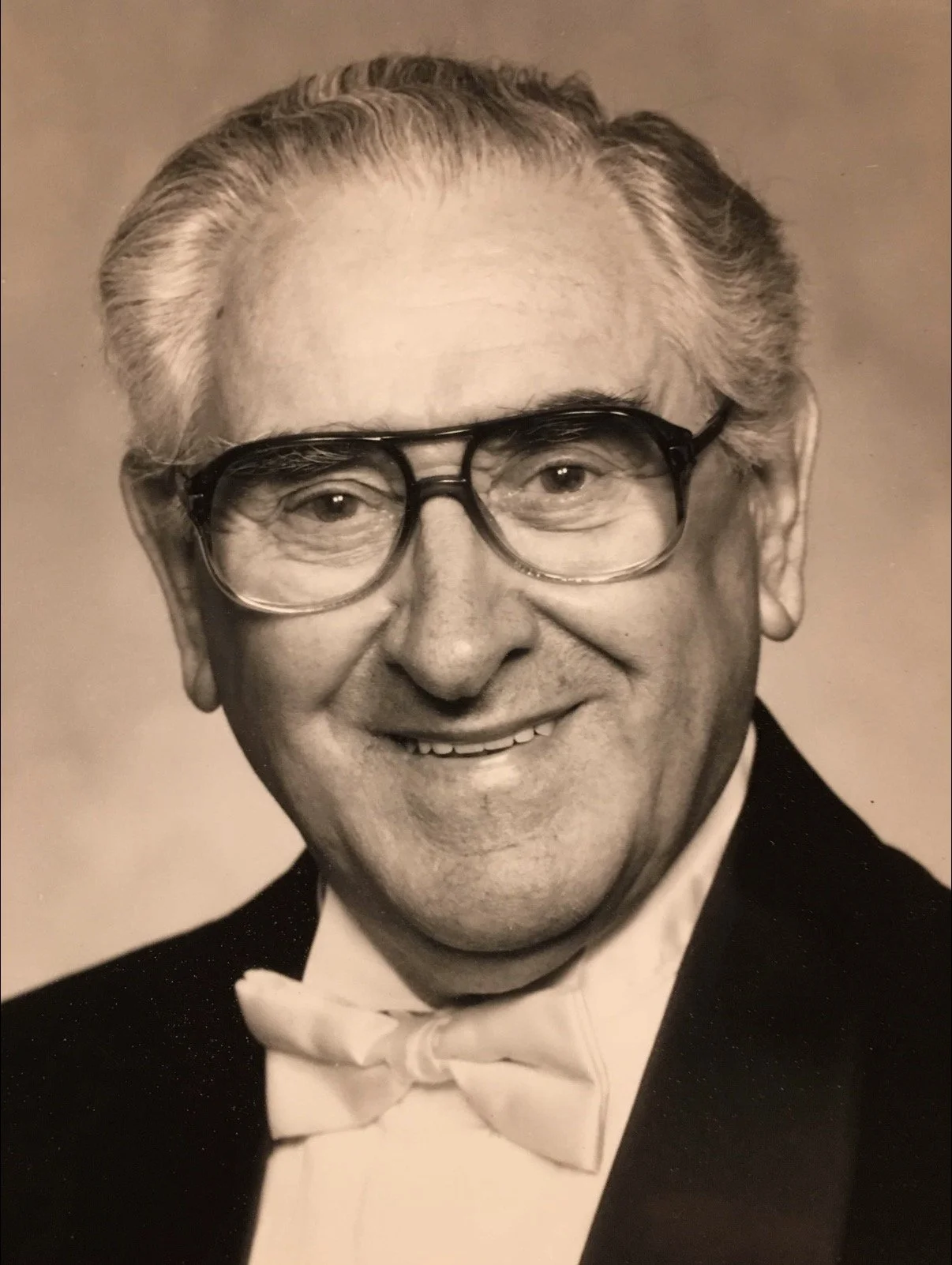
It’s currently a season when I visit my own inner willows for a short spell. My father and his father before him were both Geminis, born in mid-June, and incidentally around the state’s Father’s Day holiday. My father has now been gone for 22 years, my grandfather coming up on 10 years. But time is irrelevant to grief, and I suspect that for the rest of my life this early summertime will always be a portal to that part of my heart that still aches with loss.
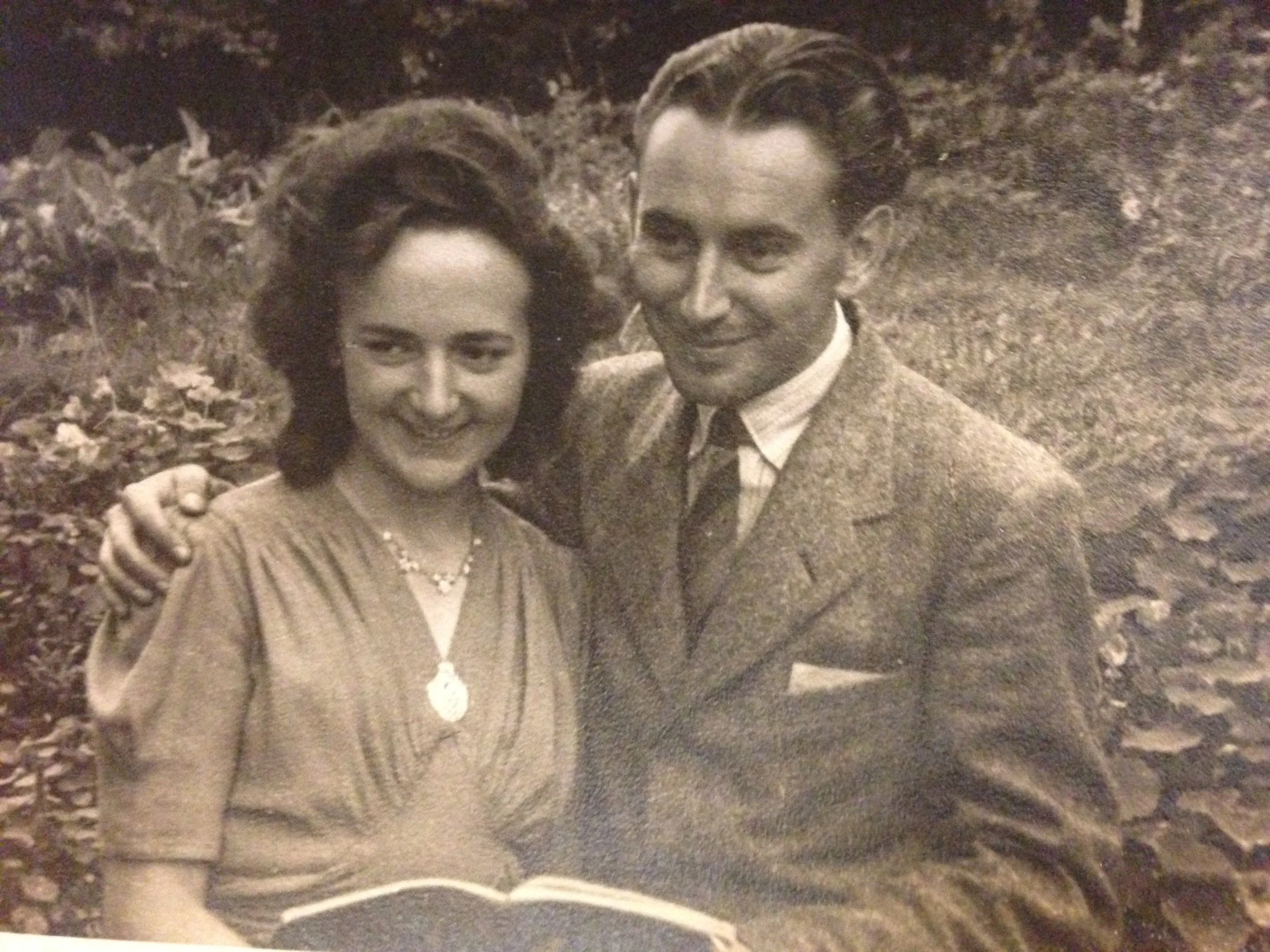
Recently they’ve both been reminding me of their presence, especially as I spent time in the UK, the place of both their births. Wandering through Oxford I heard the sound of organ music spilling out of a hidden chapel and thought how lovely it would be to hear my grandfather play once again, only to shortly see a poster advertising a free organ recital the following day. He was an organist for nearly all his life, and an accomplished pianist as well, and often when he comes through in mediumship readings he reminds me of my inherited love of all things music. I attended the recital, of course, and spent an hour with him and my grandmother, herself gone nearly 24 years now, on either side of me, basking in the overpowering music and the feeling of being so loved by them both, even still.
My father is often one of the first to come through in the readings I receive, and it wasn’t surprising when at my most recent visit to Arthur Findlay Spiritualist College that he again reminded me through a medium of his sadness to be gone, but also of the support he still gives. And then I started seeing him everywhere, in new faces, in little interactions, his energy and interests still here two decades later.
I met a young boy just this past week, the child of a family friend of a friend, who was enamored with all things aerospace. He was carrying around a space shuttle made of Legos, and then excitedly showed me how to play a rocket building simulator mobile game, explaining to me why I’d need extra boosters to enter Earth’s orbit, and the best way to land on the moon. My father, who worked in aerospace engineering and whose last employment was with NASA working on Mars habitation models, felt very present in this young one whose own passion for space exploration was just starting. And for a brief moment I thought about how I should keep this rocket building simulator game on my phone, just in case my dad would ever want to see it for himself, forgetting for but a moment that there was any separation or distance between us.
But that is the beautiful thing about death, that it is only partially real. Yes my father and grandfather, and many more loved ones and friends, are no longer on this physical plane, yet still their energy lives on. In every organ note, in every child excited by the idea of being an astronaut, in every glass of sherry and unprompted bear hug and quick witted dry remark and all the other little things that made them them, here they remain.
And so I’m grateful for these moments to revisit my inner willow, to contemplate and remember and grieve, to be in their essences and love intentionally, before I return to my own life and continue my living for a time, until they call upon me to share a quiet moment together once more.
This active relationship to grief is one I wasn’t taught or raised in, but had to find my own way to. As I’ve since realised, much of the Western world struggles with the concepts of death and dying, to the point that grief is considered almost a taboo thing, something to be kept hidden and ideally forgotten if at all possible. We are meant to bury the dead, say our prayers if that’s your thing, and then move on like nothing ever happened.
And so too was my lived experience. I was out of school for two weeks post my father’s death, which if I recall was considered a bit of an excessive absence, and wouldn’t I rather be back learning about algebra and practicing my Spanish and maybe even attending prom? My mother, sister, and myself were all expected to go back to our lives as quickly as we could, as if there wasn’t a gaping hole in every room and every conversation, and in many ways our cultural and religious paradigms gave us little in the way of processing our grief. There was no counseling, no visiting of the grave, no talking too much about it, because that would be dwelling on death, and who wants to do that?
It wasn’t until I was in my early 30’s that I realized the harm that was enacted upon me all these years, and it came in the form of a K-Drama of all things. I wasn’t in the habit of watching such saccharine sweet rom-coms as many Korean dramas tend to be, but for some reason one show in particular began to nag at me, that I should watch it and soon, so I did. In more ways than one it proved a meaningful show, titled ‘Hometown Cha Cha Cha’ for those interested, but I remember the first time the storyline depicted a ‘jesa’, a yearly remembrance ritual honoring the deceased with food and communal mourning on their death date, and I had to stop the show.
I was weeping. Others mourn regularly, openly, with food and drink, the living still mentioning the dead? Was that allowed? My grief had only ever been a singular thing, something to keep tucked away and out of sight, yet here I was witnessing a collective act of grieving, a shared experience and acknowledgment of the still present pain, even years and decades later. All those moments of sneaking away to my willow tree, pretending it wasn’t taking up space beside my house, eating away at my foundation, felt like such a poor use of time knowing that I could have been honest and open about my grief all along.
I’ve since learned more deeply about many other cultures’ mourning rituals, and have found my own ways to incorporate my little acts of grief into my life. In Slovenia they regularly keep lit candles and fresh flowers on a loved ones grave, so I visit my father’s grave now with flowers in hand, when I can. And I bake him a German chocolate cake when able, his favorite, my own little jesa offering. I drink Jameson, maybe more than I should, to honor my recently departed friend, and send a protection prayer to every cyclist I see in remembrance of a childhood friend. I take my tea without sugar like my grandfather insisted, and say hello to every rose bush I see because my grandmother would have done just that.
I’m looking forward to the day when in my own space I can keep a small ‘ofrenda’, a Mexican altar to the dead, where I can offer my love and joy on a regular basis, turning my grief into a frequent but brief visitor instead of a towering tree of a houseguest I keep trying to ignore.
These small moments of remembrance, of love exchanged over time and space, is what keeps the willow in its rightful place. What rituals, if any, do you hold to honor your grief and your love? And what rituals are needed now, to process whatever loss may still reside a bit too close?
Not any less significant to my own grief process has been my mediumship journey. Most cultures have had some form of spirit communication, the dead speaking through a conduit to share messages with those left behind. Today’s more modern version is something like a game of charades, where spirit shares impressions of themselves, their personality, their memories, and their current thoughts through images, words, sounds, senses and feelings, and the medium does their best to interpret those into a meaningful message.
To even try to list my experiences with mediumship, both on the receiving and the giving ends, would take more space, or maybe more courage, than I have right now, but to those unfamiliar it is often an experience one doesn’t forget. I’ve witnessed names and dates be clearly shared, specific memories that none other would know recalled, fully fledged personalities and unique quirks conveyed and even joked about, and current events fully detailed as if they were somehow in the room still. It truly raises questions around human existence, consciousness, and even reality itself that many are wary to wander too deep within.
And rightly so, but even if you want to keep a safe distance from such wild and weird things, I do still invite you to some of the wisdom I have gained from my occasional talks with the dead.
We are seen when we grieve. Whether by your loved ones directly, or by spirit/the universe at large, we never truly grieve alone. That friend, lover, family member or pet is very much present with you in your moments of grief. We might not understand it, but please find joy in the fact that your love and remembrances do go somewhere where they are held and cherished by the recipient, often mourning and remembering as well right alongside you.
Time is less real than we know, and love knows no time. It’s why a death from two decades ago can still sting like a recent loss, but also why their presence always seems just down the hall, as if the past were but a breath away. Instead of questioning this, celebrate the fact that we can return to moments of connection and joy just as quickly as we can step into the moments of loss and pain. You need not get stuck in the place of willows, time will move on, and yet they are still here with you like no time has passed.
They want nothing more than to see you live. So many messages end up being just this, “we love you, now go live your life.” For the dead have their own experiences to have, on their side of the veil, and we have ours. To wish to cross over too soon, or to reject this lived experience before you now, will not bring the loved ones back. Instead we resurrect them daily through our own full lives, every hug now containing their arms, every song their voice, every quiet moment their comforting presence. Please never leave yourself to rot in the willow roots, when you are meant to be dancing in the sun most of the time.
So now let me leave you to your own willow groves, a kind place to visit when the time is right, and may you always have a warm life to return to where both the living and the dead are honored in their own beautiful ways.
Happiest of birthdays always, my sweet dad and granddad, and much love to all of the souls who are never forgotten. So grateful to know you are so often just an organ recital or Lego space shuttle away.
xxx,
l.
Howard & Norman (& Hilda)